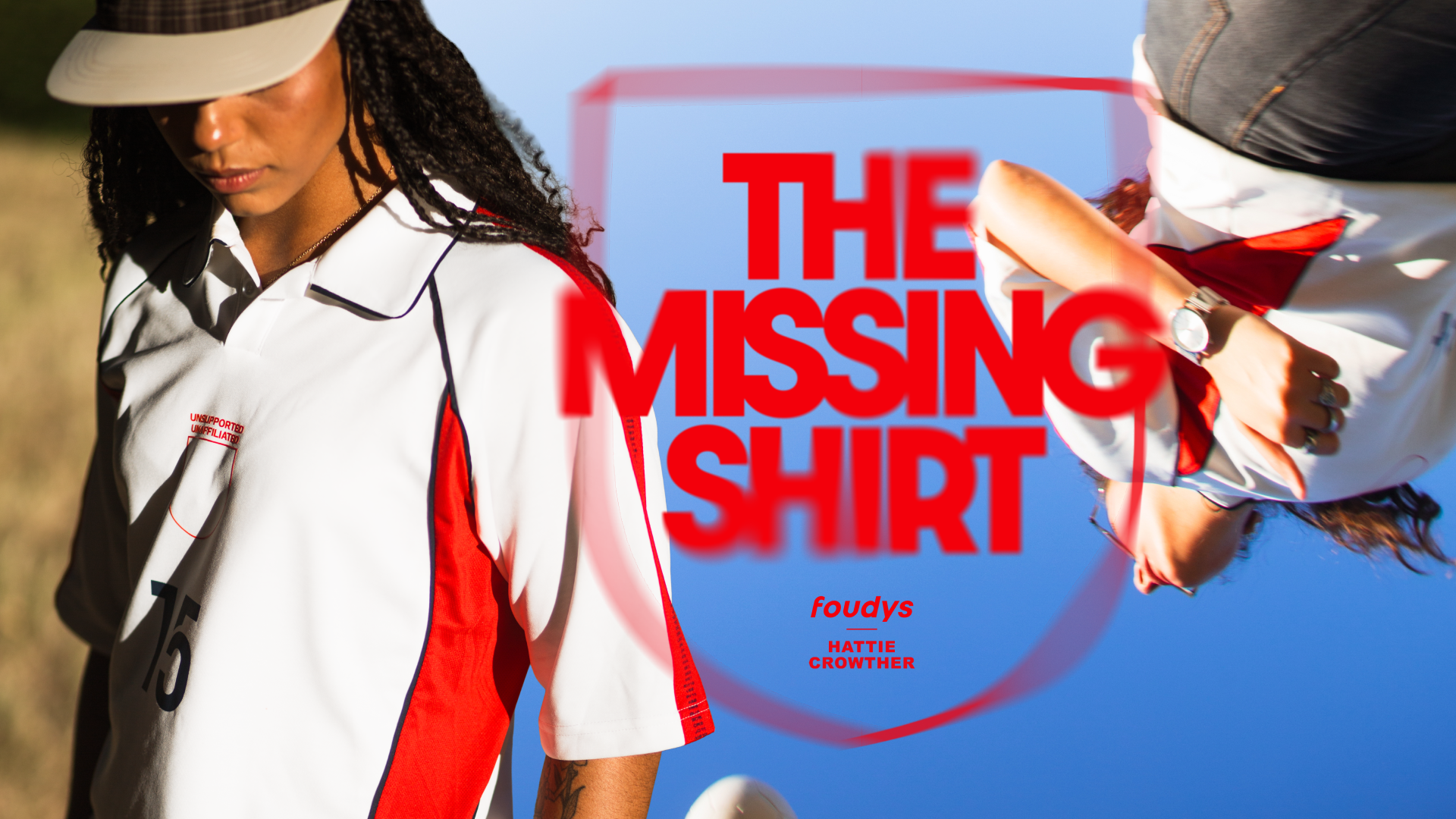
Giving women’s football the heritage it deserves during the Women’s Euro 2025
A first-of-its-kind drop that honoured the past, inspired the future, and reminded the football world that women’s stories belong on shirts, in feeds and in the history books.



The Challenge
For over 50 years, women’s football in England was kept out of sight and off the record. Banned, underfunded and overlooked, the game grew in the shadows and so did its legacy.
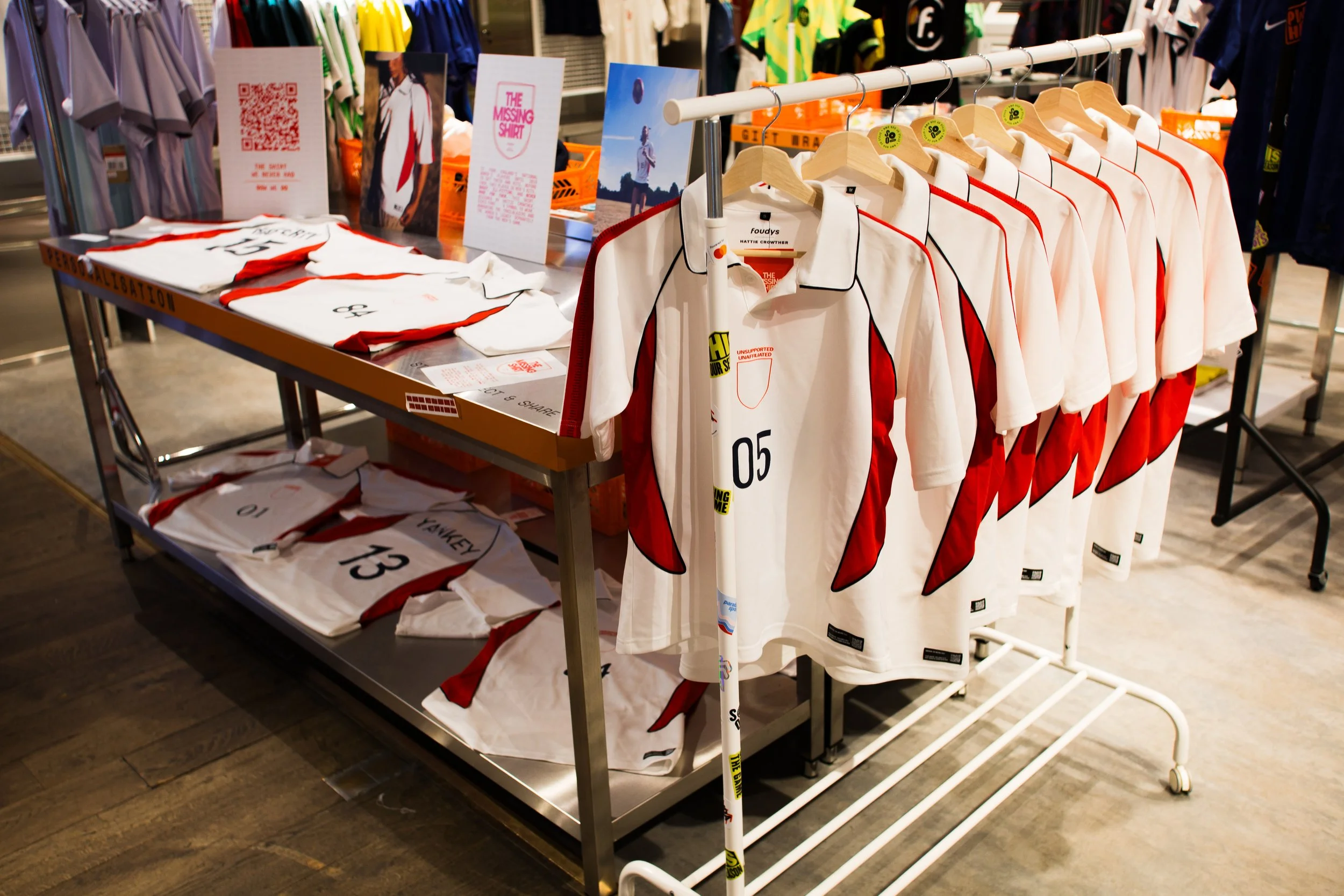
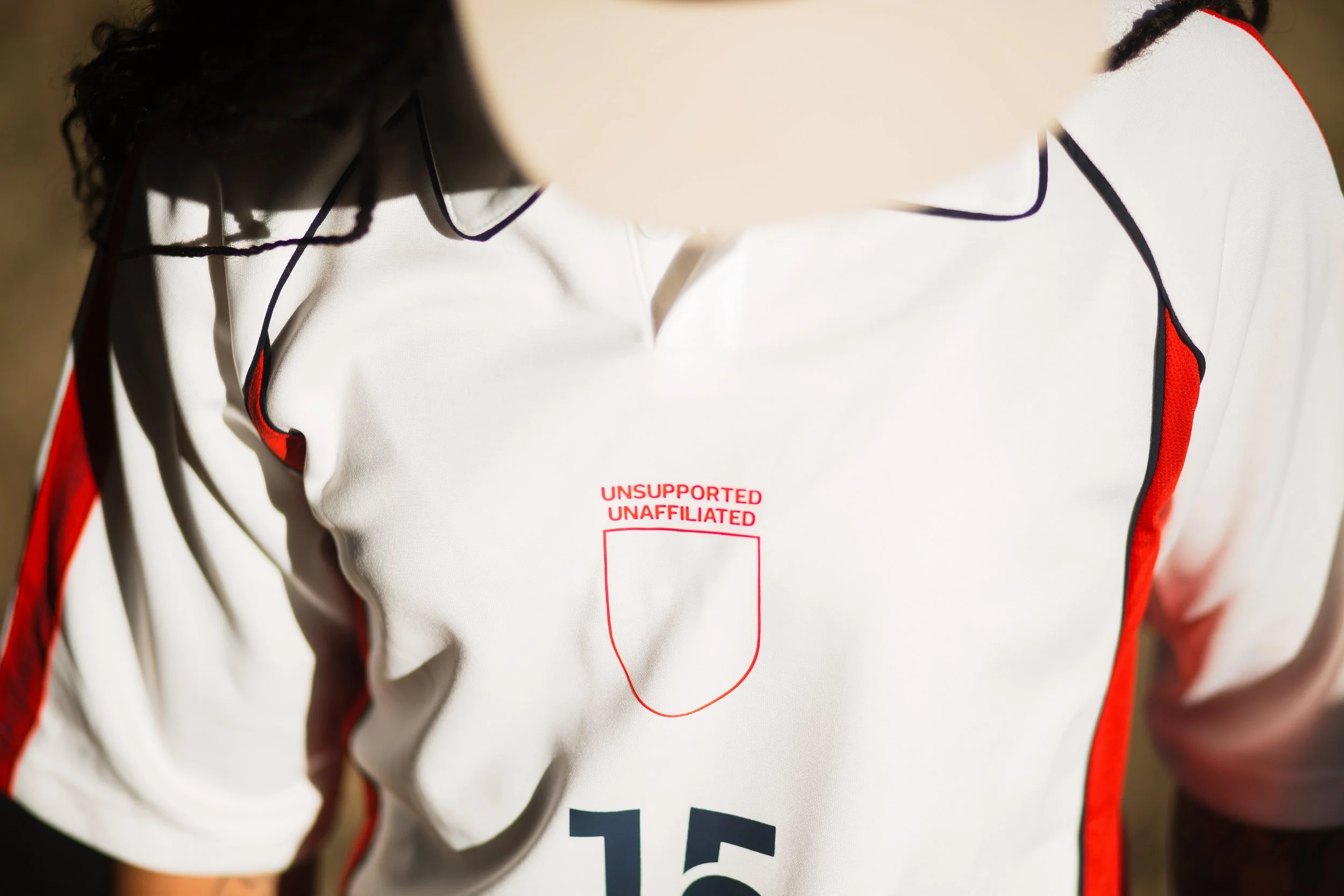
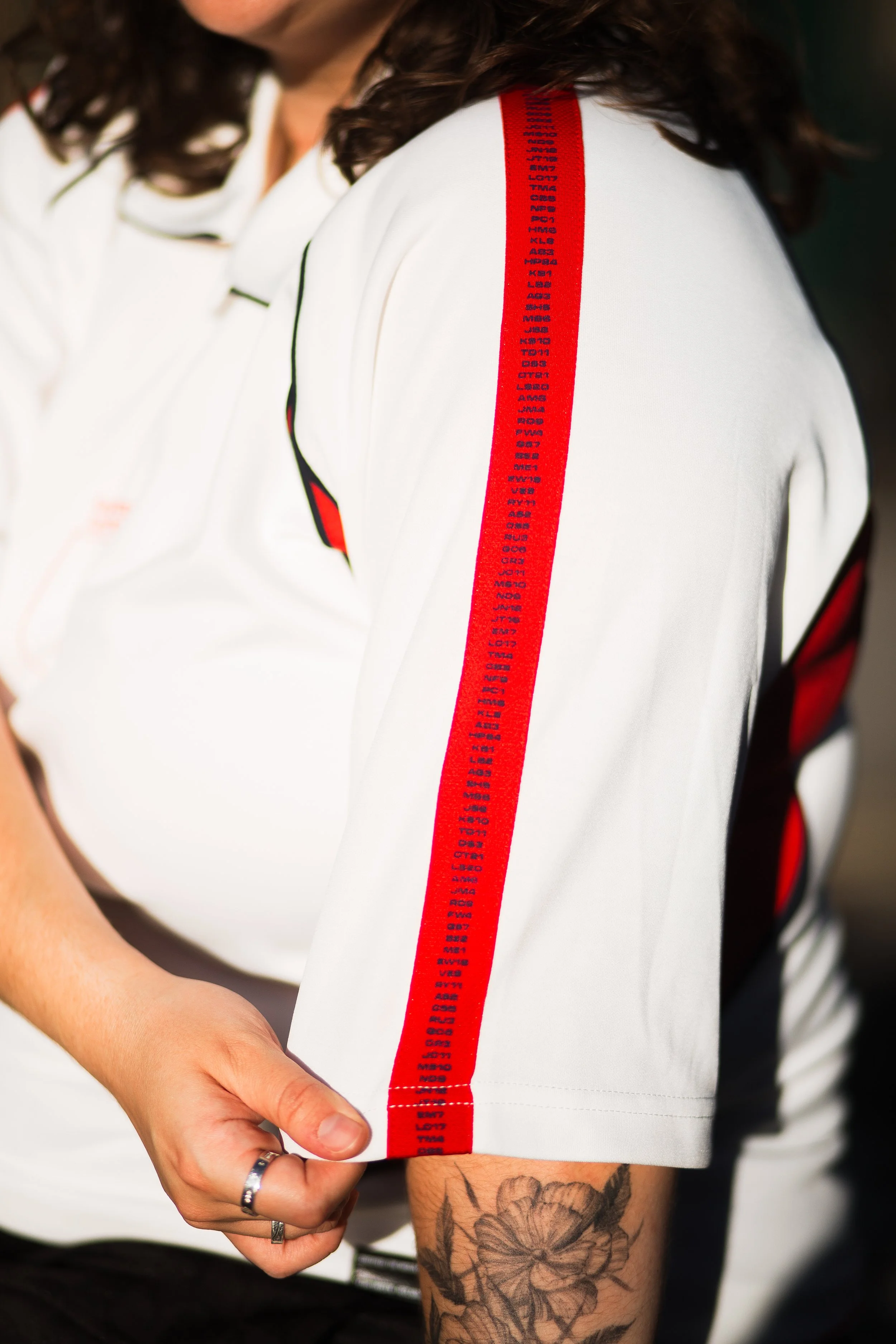
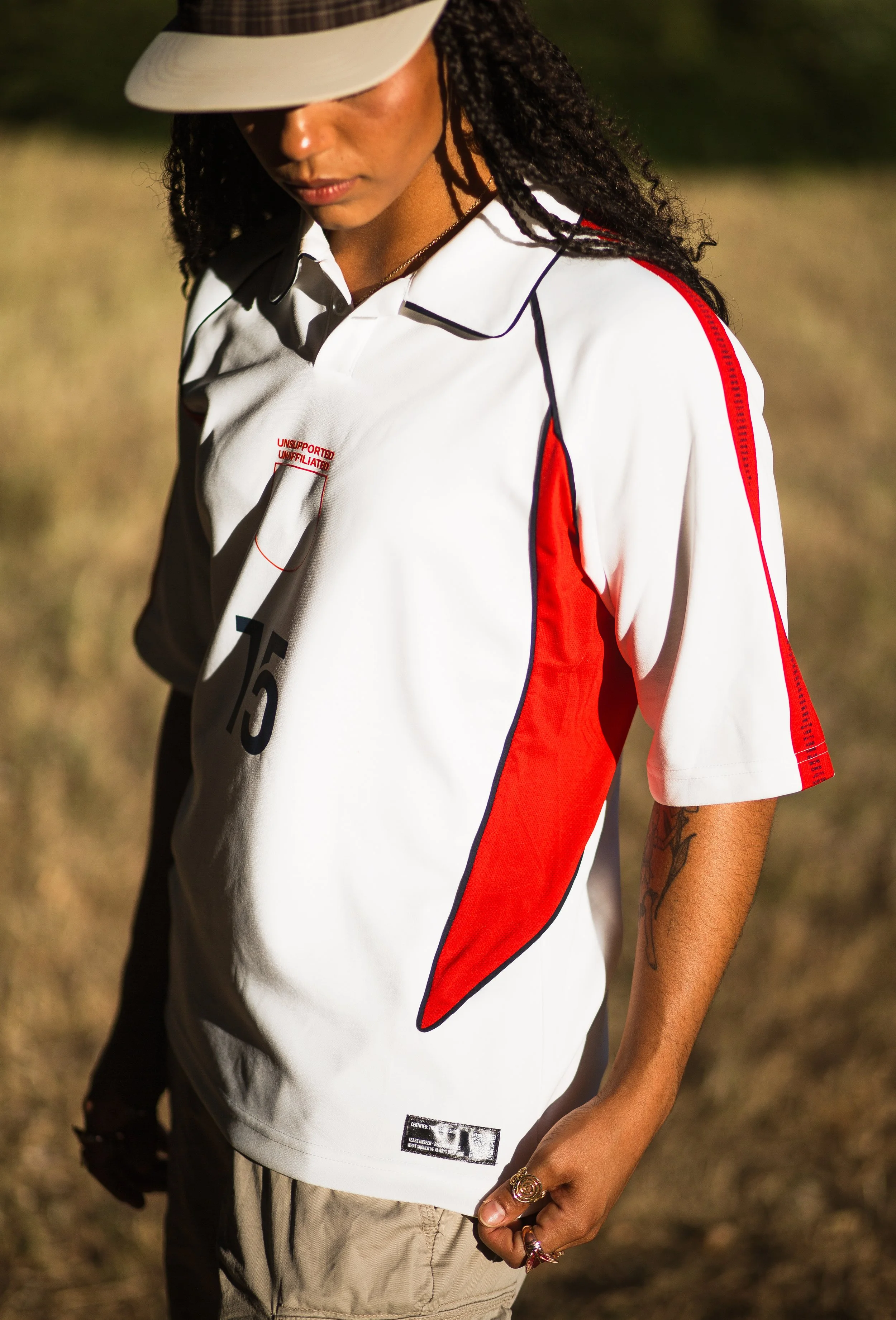
One of the clearest signs of that invisibility? No official England shirts made for women. No kits for fans. No history you could wear. No physical recognition for the generations who built the game from the ground up. In a sport where retro shirts are symbols of pride, identity and cultural weight, that absence spoke volumes.
The Cultural Opportunity
The culture of women’s football is different, more community than rivalry, more joy than ego. But for too long, it’s had to grow without the heritage, visibility or investment the men’s game takes for granted. We saw an opportunity to build something bigger than a shirt; a symbol that could inspire a new generation of fans and players, while honouring the women who came before.
The Missing Shirt wasn’t just about rewriting the past. It was about shaping the future and giving young girls something to wear with pride, and reminding them they belong in the game, now and always. By turning absence into action, we created a rallying point for fans, a moment of recognition for pioneers, and a future-facing legacy for the sport.
Impact
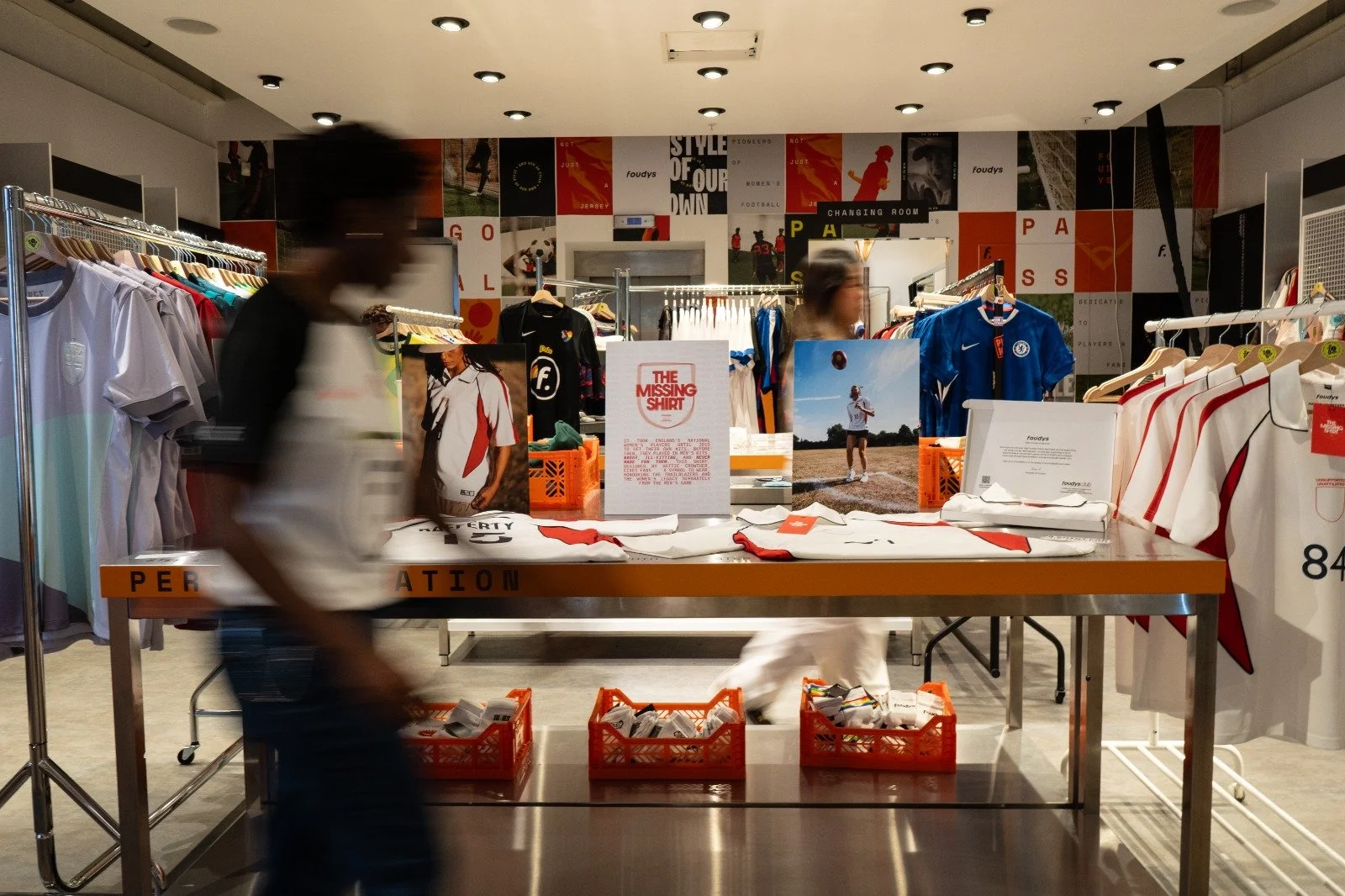
Sold out in pre-sale within days via Foudys.com, covered across national sports, fashion and culture press, including BBC News, Sky News, Talk Sport, LBC and BBC Radio. Shared by players and fans alike as a moment of pride and protest. Transformed from a one-off product into a symbol of legacy, visibility and change
Media Mix
Earned Media, Social, Retail Activation, Editorial